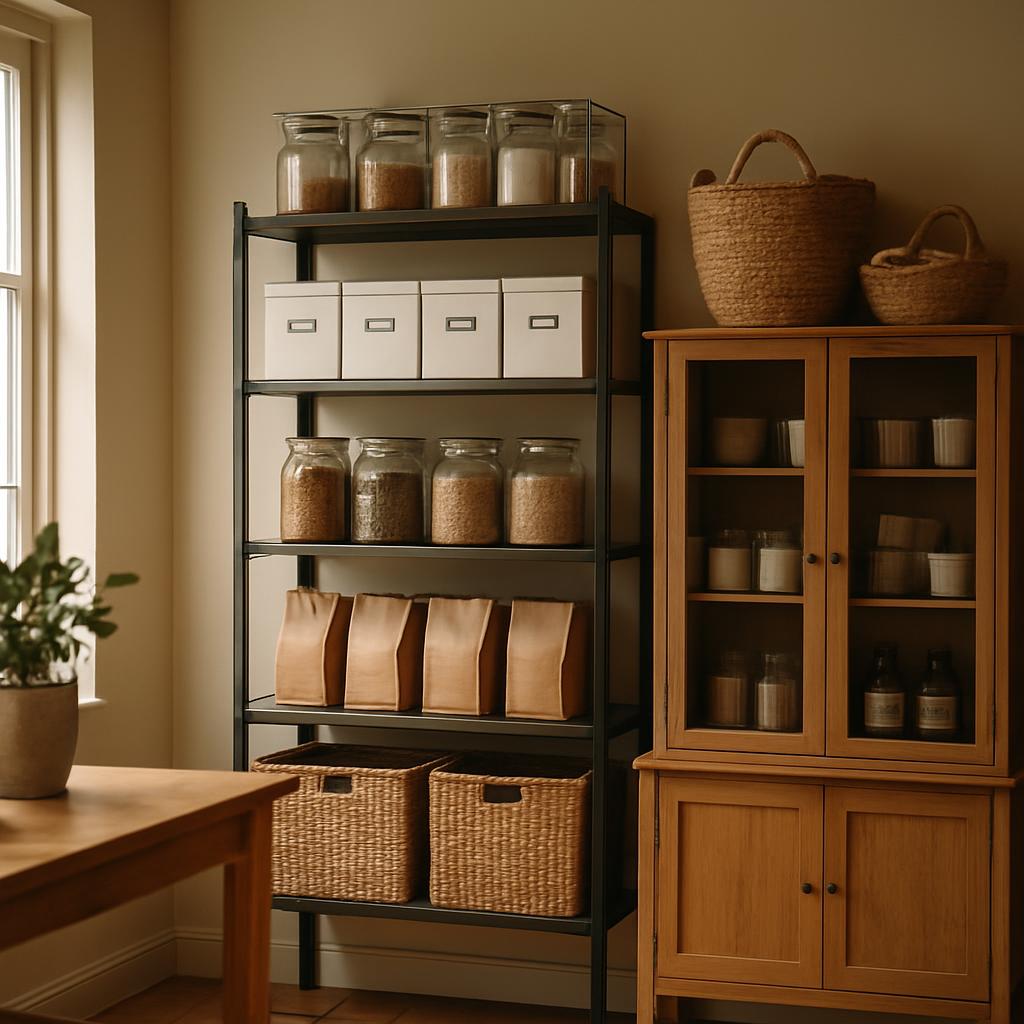
How South Shields Businesses Store Smarter
Find Out More →Walk past the Westoe Crown Centre on any given week and you'll spot delivery lorries, stock pallets, and the kind of organised chaos that comes with running a local business. But what you don't see is where half of those businesses actually store their overflow—and that's the point. Local South Shields businesses have figured out something that most homeowners haven't: self storage isn't just for people decluttering their lofts. It's a tool. And the way they use it is completely different from how you might assume.
The difference isn't complicated, but it's worth paying attention to. Because if a busy retailer or a small operator near the seafront can make storage work harder for them, there's no reason you can't do the same at home.
Why businesses treat storage like inventory, not a dumping ground
Here's what separates a business approach from a homeowner approach: businesses know exactly what they're storing and why. They track it. They organise it. They have a system. Homeowners tend to shove things in and hope they'll remember what's there come next winter.
When a local South Shields business rents a storage unit, they're not trying to hide things from themselves. They're extending their operational space. That might mean seasonal stock they'll rotate in and out, archived paperwork they need to keep but rarely access, or equipment they use quarterly. Every item has a purpose and a timeline.
They label everything. They keep a basic inventory, either on paper or their phone. They know what's in there without opening every box. And because they're paying for the space, they've already made the mental calculation: this item is worth storing. Which means they actually use it again, rather than paying rent on something that'll never leave the unit.
The lesson for your home is straightforward. Before you pack anything into a storage unit, ask yourself whether you'll actually retrieve it. If it's genuinely seasonal—Christmas decorations, garden furniture, sports gear—that's a genuine storage use. If it's 'just in case' or 'I might need it someday', it's probably just clutter you're paying to hide. Read more here about how to think strategically about what deserves storage space.
How organisation saves money from day one
You'd be surprised how much businesses save by organising their units properly before they even sign the contract. They think about access. They think about frequency. They don't just grab the nearest unit and hope it works out.
A business that needs to pull items every week won't rent a unit at the back of the facility behind three other units—they'll go for something closer to the entrance. Something they can access quickly. That costs a bit more, but it saves them time and frustration every single day. A business that stores archive boxes they'll never touch again? They'll go for a smaller, cheaper unit further back. They're matching the unit to the actual need.
Homeowners often do the opposite. They pick the cheapest unit available and then spend months annoyed that they can't easily access the one box they need, or that their items are stacked awkwardly. Better organisation at the start—knowing what you'll access frequently, what goes at the front, how to arrange things vertically—means you're either using a smaller unit (saving money) or using your current unit far more efficiently.
Spend an extra ten minutes thinking about layout and access patterns before you move anything in. Stack items you'll need first toward the entrance. Use shelving if it's available. Take photos of where things are. That small amount of upfront thought is what makes the difference between a storage unit that frustrates you and one that genuinely works. Find out more about optimising your storage setup.
Setting a timeline for what stays and what goes
Businesses treat storage as temporary. They set dates. Seasonal stock gets stored for three months, then rotated. Archived paperwork gets kept for seven years, then disposed of. They know when things will leave the unit because they planned for it.
Most homeowners rent a unit and assume it's permanent. The boxes go in. Years pass. You stop thinking about them. Then you renew your contract again without asking whether you still need any of it.
This is where real money leaks away. You end up storing items for five years that you could have binned after five months. The solution is to give yourself an honest deadline when you rent the unit. Christmas decorations go in October, come out November. Garden furniture goes in November, comes out April. If you haven't touched something in two years, it leaves. That simple rule keeps you from turning a storage unit into a permanent home for things you've forgotten about.
Write it down. Set a reminder on your phone. When that deadline arrives, actually follow through—don't just pay the renewal fee and move on. This article explains how setting clear timelines actually reduces your long-term storage costs and keeps you accountable.
The takeaway: storage works when you work it
The reason South Shields businesses get more value from self storage than the average household comes down to intention. They're not storing things because they're confused about what to do with them. They're storing things because it solves a specific problem for a defined period.
That's not complicated, but it does require you to think before you rent. Treat your storage unit like a business would: know what's going in, organise it sensibly, plan when it's coming out, and be honest about whether it's actually worth the cost.
When you're ready to rent a storage unit in South Shields, get in touch with Self Storage South Shields. We'll help you find the right size and location for how you'll actually use it—not just the cheapest option available.
Looking for Self Storage near South Shields?
We have secure, flexible units available in the area. Get in touch with Self Storage South Shields today.
Find Out More →